


Buying bedding usually goes like this: one duvet, two matching pillowcases, and two identical pillows, because that looks neat. But take a look at who is actually lying under that bedding. One is a head taller than the other, has broader shoulders and sleeps on their side; the other lies half on their back and falls asleep within five minutes. Two completely different sleepers, with exactly the same pillow. Odd, really, as if the two of you were to share a single shoe size as well.
The short answer
Different pillows for partners are not a luxury but logic: the right pillow height depends on your shoulder width, how tall you are and your sleeping position, and those differ from person to person. If you sleep on the same standard pillow as a partner with a different body, you are almost by definition lying at the wrong height. The solution is simple: the same bed, but each your own height, for example low (10 cm), medium (11.5 cm) or high (13 cm).
Why would two sleepers share the same pillow?
Two identical pillows on a bed is mainly a habit from the shop: pillows are sold as a set and replaced as a set. Comfort rarely plays a role in that choice, looks all the more.
But a pillow is not a decorative object, it is support for your neck. And the amount of support you need is determined by your body: how broad your shoulders are, how tall you are and the position you sleep in. Two different bodies with identical pillows almost always means that at least one of the two is lying at the wrong height.
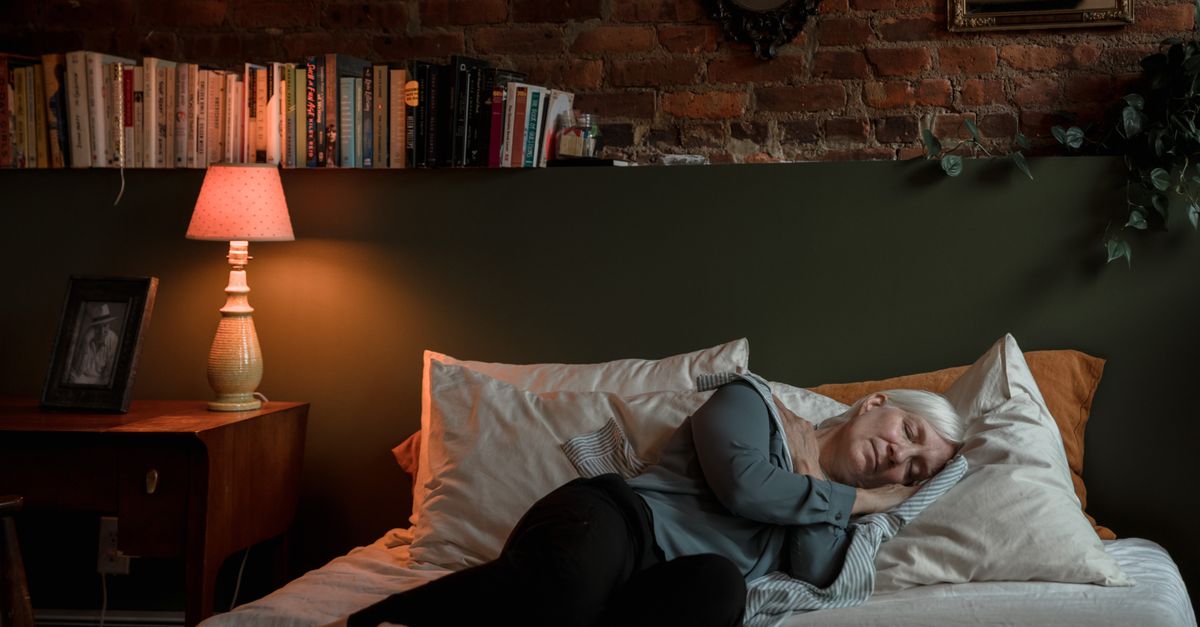
Which pillow height suits whom?
The rule of thumb for pillow height is the same for everyone: the broader the shoulders and the taller the body, the higher the pillow can be. A side sleeper of nearly 2 metres with broad shoulders quickly ends up around 13 cm, while a smaller partner with narrower shoulders is better off at around 10 cm. If one of you mainly sleeps on their back, the pillow can actually be lower.
If you want to know for sure, measure each person's shoulder width or read the guide on broad shoulders and pillow height. Chances are two different sizes will come out, and that is exactly the point.
The same pillow, each your own height
Different pillows do not have to mean a messy bed, by the way. SidePillow comes in three heights for exactly this reason: 10, 11.5 and 13 cm. The same rectangular pillow, the same pillowcase, the same neatly made bed, but each of you gets the support that matches your own body.
Take the height test together and within a minute you will know which two sizes belong on your bed. And with the 30-night sleep trial, you can both take your time to experience it.

How to tell the pillows apart
- Give each pillow a fixed side of the bed; swapping undermines the whole idea.
- If needed, choose two different pillowcase colours, so a mix-up in the dark is ruled out.
- Does one of you alternate between back and side? Also read the guide on a pillow for back and side sleepers.

Conclusion
A bed is something you share, a pillow height is not. Shoulders, height and sleeping position differ from person to person, and so the right pillow height differs too. Two identical pillows because it looks neat almost always means one of you loses out every night.
The solution requires no compromise at all: the same pillow, each in your own height. The bed stays neat, and both your necks get exactly the support they need.
Sleeping better together?
Take the height test together and see which two SidePillow sizes belong on your bed.
Frequently asked questions
Should partners have different pillows?
Usually, yes. The right pillow height depends on shoulder width, height and sleeping position, and those differ from person to person. Only partners with a similar build and the same sleeping position end up with the same size.
How do I know which height suits whom?
Look at each person's height and shoulder width: narrower shoulders and a height up to about 175 cm match low (10 cm), an average build matches medium (11.5 cm), and broad shoulders or a tall frame match high (13 cm).
Don't two different pillows look untidy on the bed?
Not necessarily. Choose the same pillow model in two heights: from the outside they look almost identical, only the support differs. With matching pillowcases, no one sees the difference.
What if we each have a different sleeping position?
Then having your own pillow is all the more important. A side sleeper needs more height than a back sleeper, so a shared middle ground means you are both lying wrong.
Photography: Kampus Production, RDNE Stock project, cottonbro studio via Pexels.
Do you sleep on your side?
Honest sleep advice for side sleepers, no more than one email a week. Your 5% welcome code appears as soon as you sign up.


